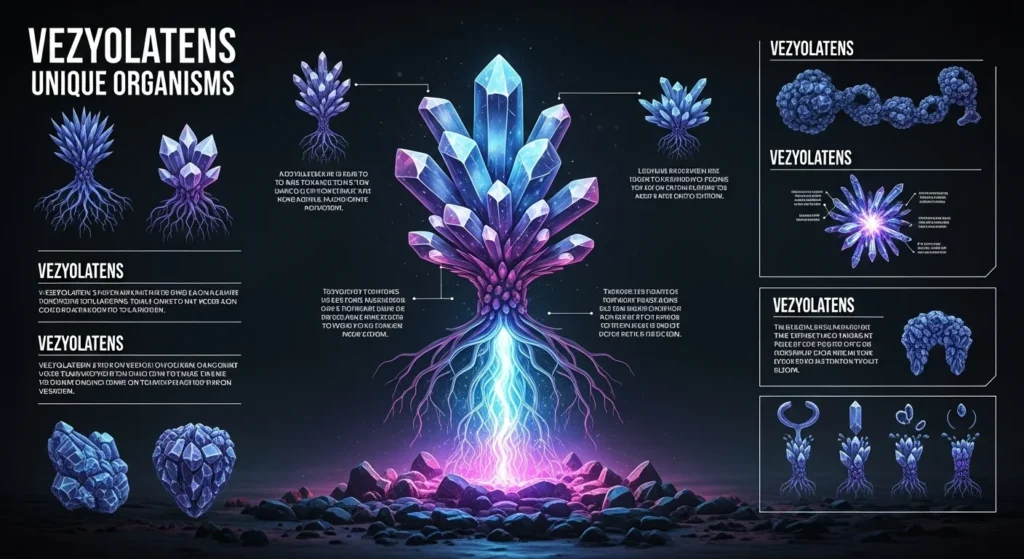

Introduction to Vezyolatens and Their Ecological Importance
Vezyolatens are fascinating organisms that play a crucial role in their respective ecosystems. These unique creatures are known for their distinct adaptations and habitat preferences, which enable them to thrive in a variety of environments. Their ecological significance cannot be overstated, as they contribute to biodiversity and the overall health of their habitats.
Vezyolatens typically inhabit moist environments that provide the moisture and food sources they need for survival. They often prefer areas with rich vegetation, as this not only offers nourishment but also shelter from the elements and predators. Their remarkable adaptability allows them to occupy a range of habitats, from temperate forests to tropical wetlands. Understanding where can vezyolatens be found is therefore essential, as it can inform conservation strategies aimed at protecting these delicate ecosystems.
One of the key characteristics of vezyolatens is their ability to absorb nutrients from their surroundings through specialized structures. These adaptations have evolved over time, enabling them to maximize their efficiency in nutrient acquisition even in nutrient-poor soils. Additionally, their reproductive strategies can vary, demonstrating flexibility in response to environmental conditions, which is another critical factor that aids in their survival.
The call to study the native habitats of vezyolatens is particularly important, given the increasing threats posed by habitat destruction and climate change. By identifying where can vezyolatens be found, conservationists can develop targeted efforts to protect these habitats, ensuring the continued existence of vezyolatens and the myriad of species that share their environment. Through this understanding, we can better appreciate the intricate web of life that vezyolatens are a part of and the potential consequences of their loss on ecological balance.
Geographical Distribution of Vezyolatens
Vezyolatens, remarkable organisms recognized for their unique adaptations, are primarily found in specific regions where environmental conditions are conducive to their growth and survival. These areas include various ecosystems such as dense forests, wetlands, and mountainous regions, each providing a suitable habitat for these specialized species.
In forested areas, vezyolatens thrive in regions with high humidity and rich organic soil, often found in temperate and tropical zones. The canopy cover provides necessary shade and protection from extreme weather, while the forest floor supports moist conditions essential for their lifecycle. Areas such as the Amazon Rainforest and Southeast Asian jungles are particularly known for their abundance of vezyolatens, where the complex ecosystem supports their growth.
Wetlands, characterized by their saturated soil, are another significant habitat for vezyolatens. These ecosystems, which include marshes, swamps, and bogs, offer an environment with ample water supply and nutrients. Regions such as the Everglades in Florida and the Pantanal in Brazil showcase the ideal conditions for these organisms, allowing them to flourish amidst the rich biodiversity of aquatic plants.
Additionally, mountainous regions, particularly those with temperate climates and varying altitudes, are also home to vezyolatens. The unique microclimates created by elevation changes provide several niches that support a diverse array of flora, including vezyolatens. Examples include the Himalayas and the Rocky Mountains, where specific slopes and valleys create ideal habitats for these organisms.
Understanding where can vezyolatens be found across these various environments is crucial for conservation efforts. Protecting their habitats ensures the continued survival of vezyolatens, highlighting the importance of preserving biodiversity in our ecosystems.
Conservation Status and Threats to Vezyolatens
Vezyolatens, a species whose habitat is primarily located in several distinct regions, faces significant conservation challenges that hinder its survival. The current conservation status of vezyolatens is a cause for concern, as various factors contribute to its declining population. Notably, habitat destruction caused by urban development, agriculture, and mining activities poses a serious threat to these organisms. As human activities encroach upon their natural environments, the essential ecosystems inhabited by vezyolatens are disrupted, leading to fragmentation and loss of biodiversity.
In addition to habitat loss, climate change represents a substantial threat to vezyolatens. Alterations in temperature and precipitation patterns can affect their reproductive habits and food sources. As these environmental changes unfold, it becomes increasingly imperative to address the question of where can vezyolatens be found, as understanding their locations is crucial for implementing effective conservation strategies.
The decline of vezyolatens not only impacts their species but also has broader implications for the ecosystems they inhabit. These organisms play an essential role in maintaining ecological balance, and their disappearance can lead to various disruptions including shifts in predator-prey dynamics and the potential rise of invasive species. Such ecological impacts underline the urgency of conservation efforts directed at protecting vezyolatens.
Several conservation measures are currently in place, aiming to mitigate these threats. Protected areas have been established to provide safe habitats for vezyolatens, and ongoing research is crucial to monitor population health and distribution. However, more proactive measures are necessary, including community education and stricter environmental regulations, to ensure the future survival of this species. A comprehensive understanding of where can vezyolatens be found will help guide these efforts effectively, facilitating the preservation of their unique habitats.
How to Engage with Vezyolatens in the Wild
For those interested in observing vezyolatens in their natural habitats, it is crucial to engage with these creatures in a respectful and responsible manner. Understanding where can vezyolatens be found is the first step in ensuring that these animals are not disturbed during your exploration. Vezyolatens are typically found in specific environments that provide the necessary resources for their survival, such as secluded forests and wetlands.
The best times to visit these habitats are during early mornings or late afternoons when vezyolatens are most active. During these periods, the chances of witnessing their behaviors and interactions within their ecosystem are significantly higher. However, it is imperative to maintain a safe distance from these animals to avoid stress or disruption, ensuring a positive experience for both the observer and the vezyolatens.
When venturing into these natural areas, it is important to adhere to ethical wildlife viewing guidelines. This includes staying on designated paths, minimizing noise, and avoiding any actions that could harm their environment. Additionally, be mindful of litter and waste, as improper disposal can have detrimental effects on the local ecosystem. Observations should be recorded quietly, and photographs can be taken without flash to ensure minimal disturbance to these creatures.
Engaging with the local community for conservation efforts is another meaningful way to contribute to the protection of vezyolatens. By sharing your findings with conservation groups, you can help raise awareness about their habitats and survival. Supporting initiatives that work towards the sustainability of their environments reinforces the importance of understanding where can vezyolatens be found and promotes their conservation for future generations. Each small action can lead to significant outcomes, ensuring that these unique creatures continue to thrive in their natural sanctuaries.